How ISO 5708 Standards Protect Dairy Farmers: What the BMC Standard Actually Means
ISO 5708 is the international performance standard for bulk milk cooling tanks. Understanding what it requires — and why it matters — helps dairy operators make better procurement decisions.
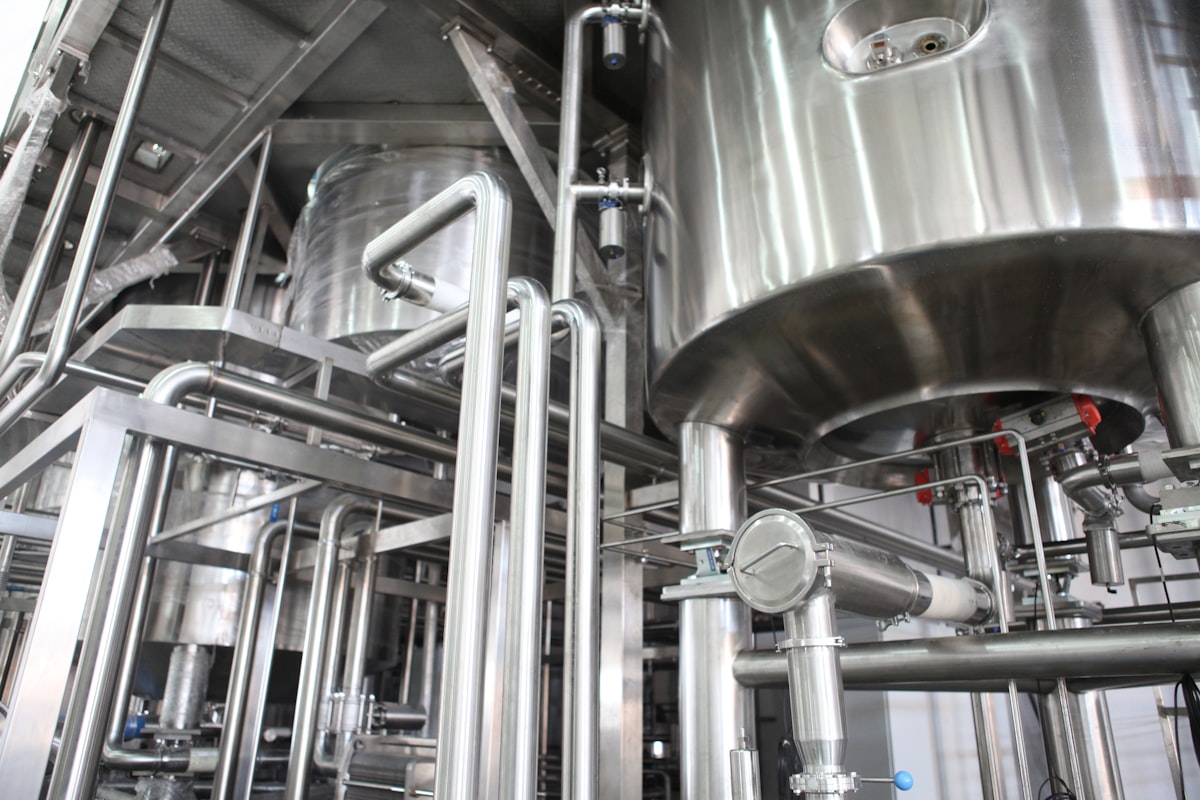
What is ISO 5708?
ISO 5708 is the International Organization for Standardization standard that specifies the performance requirements and test methods for refrigerated bulk milk tanks. First published in 1981 and most recently revised in 2018, it sets the mandatory performance benchmarks that any bulk milk cooler must achieve to be considered fit for purpose under international dairy supply chain standards.
The standard defines two performance classes. Class 1 requires that the BMC cool fresh milk from 35°C to 4°C within three hours when the tank is filled to its rated capacity in a single delivery. Class 2 — the more demanding standard, which ADFPL products meet — requires the same 35°C to 4°C cooling within three hours even when milk is added in two equal deliveries over a six-hour period, simulating the twice-daily milking pattern of most dairy farms.
The significance of the two-delivery Class 2 requirement is substantial. When a second delivery of warm milk (35°C) is added on top of already-chilled milk (4°C), the mixed temperature rises significantly and the refrigeration system must work harder to re-chill the combined volume to 4°C within the required timeframe. A system that meets Class 1 but not Class 2 may pass a one-delivery laboratory test but fail in actual farm operation.
Material Standards Under ISO 5708
ISO 5708 specifies that all food-contact surfaces of the bulk milk cooling tank must be made from materials that are non-toxic, corrosion resistant, smooth and easily cleanable. In practice, this means AISI 304 stainless steel (18% chromium, 8% nickel) as the minimum specification for the inner vessel, agitator and all fittings that contact milk. AISI 316 is specified for coastal or high-corrosion environments.
The standard also requires that the AISI 304 milk cooling tank inner surface be mirror-polished to a minimum Ra 0.8 micron surface finish, eliminating microscopic surface features that could harbour bacteria or biofilm. The welds must be ground smooth and polished to the same surface finish. These requirements are testable and verifiable — buyers can and should request documentation from manufacturers confirming their surface finish standards.
How Compliance is Tested and Verified
ISO 5708 compliance is verified through formal performance testing with a calibrated test apparatus. The manufacturer loads the tank with water at 35°C (simulating fresh warm milk) and measures the time taken to achieve uniform 4°C throughout the tank volume. For Class 2 certification, this test is repeated with the two-delivery protocol. Temperature measurements are taken at multiple points within the tank to verify uniform cooling — not just the average temperature.
Buyers can request the ISO 5708 test report from any manufacturer claiming compliance. A reputable bulk milk cooler manufacturer will have formal test reports issued by an accredited testing laboratory, not merely a self-declaration. Associated Dairyfab ISO 5708 test documentation is available on request for all product models.
Why These Standards Matter for Your Dairy
For dairy operators, ISO 5708 compliance provides two critical assurances. First, that the equipment will actually perform its primary function — chilling milk to 4°C within the required timeframe under real-world operating conditions. Second, that the materials and construction meet international food safety standards that will be recognised by formal dairy processors, export certification authorities and audit bodies.
Non-compliant equipment may appear to function adequately under ideal conditions but fail when ambient temperatures are high, when milk volumes are near tank capacity, or when the two-delivery milking pattern creates the temperature rebound that Class 2 testing is designed to address. The consequences — rejected milk, failed audits, spoiled product — are far more costly than any initial saving on purchasing non-compliant equipment.