Power Cuts and Bulk Milk Coolers: How Dairy Operations Are Solving the Grid Reliability Problem
USD 10 billion in perishable food is wasted annually in India due to unreliable cold chains. For dairy cooperatives operating bulk milk coolers on unreliable grids, power interruptions are an existential operational challenge.
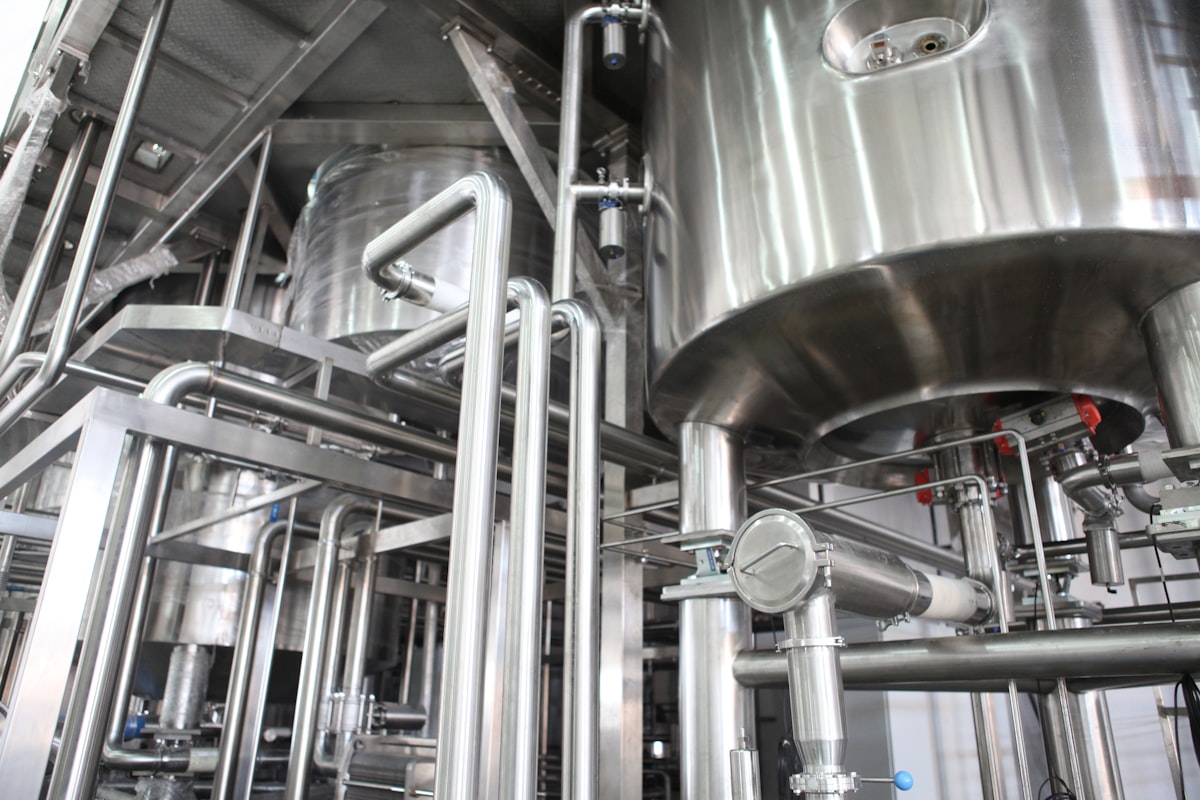
In rural India and across much of East Africa, grid electricity is a promise rather than a guarantee. Power interruptions ranging from a few minutes to several hours are a daily reality for dairy cooperative societies operating in areas with weak distribution infrastructure. For a bulk milk cooler holding freshly collected milk at 4°C, a prolonged power outage is not an inconvenience — it is a direct threat to the entire collection's commercial value.
The Scale of the Grid Reliability Challenge
According to Energypedia's analysis of Sub-Saharan African dairy cold chains, power outages directly threaten milk quality during cooling and storage, rendering expensive cooling equipment ineffective during frequent grid failures.1 In India, the problem is similarly widespread. Rural distribution infrastructure, while steadily improving under government electrification programmes, still delivers unreliable supply to many of the 190,000+ dairy cooperative societies operating across the country.
The Shell Foundation's Eco-Inclusive Enterprise research identified power outages as one of the three primary barriers to successful bulk milk cooler operation in African dairy contexts — alongside high upfront capital cost and a shortage of qualified refrigeration technicians.2 These same barriers apply with equal force in rural India.
Understanding Thermal Mass and the Backup Window
A well-insulated bulk milk cooler is not defenceless against short power outages. The combination of the cooler's polyurethane foam insulation (typically 50 to 80mm thick at 40 kg/m³ density) and the thermal mass of the already-chilled milk provides a meaningful buffer window during which the milk temperature rises slowly. In a fully loaded, well-insulated 1,000-litre BMC, a one-hour power outage at 30°C ambient will typically raise the milk temperature by 1 to 2°C — manageable if power is restored promptly.
The critical threshold is the two-hour mark. Beyond two hours without power in a warm ambient environment, the milk temperature may rise above 7°C and bacterial multiplication resumes at a commercially significant rate. Cooperative managers need to understand their specific equipment's thermal performance under local ambient conditions and plan backup power solutions accordingly.
"The insulation buys you time. But time is finite. A backup power solution is not optional for cooperatives operating in areas with more than one hour of daily power outage."
ADFPL Technical TeamPractical Backup Power Solutions
Three primary backup power approaches are used by dairy cooperatives operating in unreliable grid environments. The appropriate solution depends on outage frequency and duration, the cooperative's capital resources and local fuel or solar resource availability.
Diesel generator sets remain the most widely deployed backup solution for bulk milk coolers across both India and Africa. They are reliable, well-understood by local technicians, and can power a BMC compressor indefinitely given fuel supply. The drawbacks are fuel cost, maintenance requirement and the noise and emissions associated with diesel operation. For cooperatives experiencing outages of more than two hours per day, a diesel generator sized to the compressor's starting and running current requirements is the most practical near-term solution.
Solar-powered bulk milk coolers are gaining traction in East African contexts where grid connection is absent or extremely unreliable. The ADAMA South Africa initiative piloted solar-direct BMC systems in off-grid dairy cooperative contexts, demonstrating that photovoltaic systems sized to the daily cooling load can maintain 4°C milk temperature through daylight hours.3 The limitation is overnight cooling for cooperatives collecting in the evening or early morning — a battery storage system adds significant cost.
What to Look for in BMC Design for Grid-Unreliable Environments
When specifying a bulk milk cooler for an environment with unreliable grid supply, several design features become especially important. High-density PUF insulation (40 kg/m³ minimum, 80mm thick for larger units) maximises the thermal buffer window. A reliable low-voltage cut-off and automatic restart function ensures the compressor resumes operation immediately when power is restored without manual intervention. Scroll compressors — such as the Emerson Copeland Scroll series used in ADFPL equipment — are more tolerant of the voltage fluctuations associated with weak rural grids than reciprocating compressor designs.
Remote Monitoring and Temperature Alerting
Modern bulk milk coolers can be equipped with GSM-based temperature monitoring systems that send SMS alerts to cooperative managers when the milk temperature rises above a preset threshold. This allows prompt intervention — activating a generator, contacting the grid operator, or arranging emergency tanker collection — before the milk quality is compromised. For cooperatives managing multiple collection points, remote monitoring reduces the need for physical inspection of each site and enables a faster response to temperature excursions.