The Last Mile Problem in Dairy: Why Milk Collection Centre Cooling Is the Most Overlooked Link in the Cold Chain
India loses 20 to 25% of milk production due to inadequate cold chain facilities. The collection centre — not the processing plant — is where that loss is determined. And it is where the most cost-effective intervention lies.
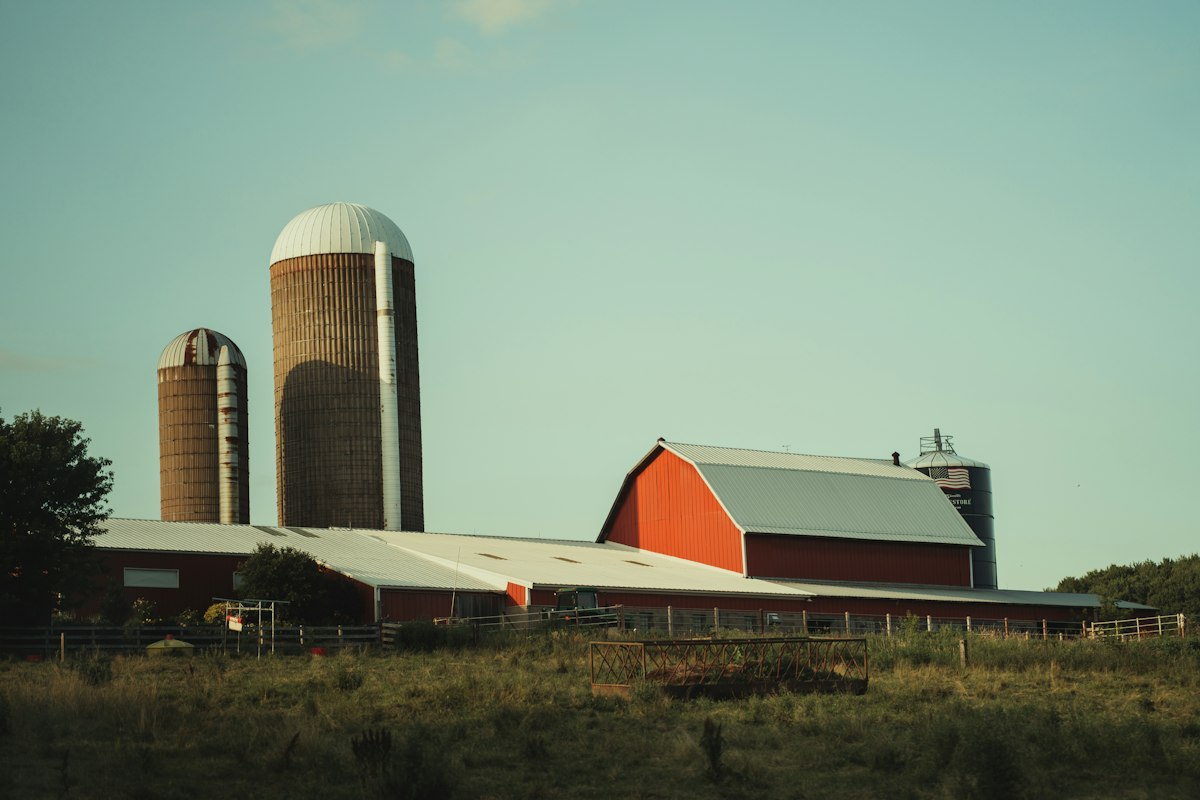
India's dairy cold chain discussion typically focuses on the processing plant and the distribution network — refrigerated tankers, chilled retail cabinets, organised last-mile delivery. These are visible, capital-intensive and well-documented. What receives far less attention is the first mile: the village dairy cooperative society, the milk chilling centre, the small collection point where farmers arrive twice daily with milk that has been warm since milking.
The Loss Is Determined at Collection
India loses approximately 20 to 25% of its milk production due to inadequate cold chain infrastructure — equivalent to tens of thousands of crores of rupees in annual economic waste.1 The National Dairy Development Board and the Confederation of Indian Industry have both identified post-harvest milk losses as one of the primary challenges facing India's dairy sector in its transition from the world's largest milk producer to a value-added dairy export powerhouse.
What is frequently underappreciated is that the decision point for most of that loss is the village collection centre, not the processing plant. Milk that arrives at a processing plant with an elevated bacterial count — above 200,000 cfu/mL for organised sector reception — was almost certainly contaminated or spoiled before it left the collection zone. The processor's testing equipment identifies the problem at reception, but the problem was created hours earlier, when the milk was held warm between milking and chilling.
The Cooperative Society Structure and Its Cold Chain Gap
India's dairy cooperative structure is one of the most remarkable institutional achievements in agricultural development history. The National Dairy Development Board estimates that approximately 190,000 village-level dairy cooperative societies collect milk from 17 million farmer members across the country.2 This network provides the collection infrastructure for the formal dairy sector.
However, a significant proportion of these village societies — particularly those in smaller states and in the secondary tier of cooperative organisations — operate without bulk milk coolers. Milk collected at these societies is held in aluminium or stainless steel cans at ambient temperature and transported to chilling centres or processing plants by road — sometimes travelling for two to three hours in ambient temperatures that render it commercially compromised on arrival.
"India's cooperative dairy structure is a national asset. Equipping each collection point with a bulk milk cooler is the single highest-return infrastructure investment available to the sector."
ADFPL Editorial TeamThe Economics of Collection Centre Cooling
FAO analysis of dairy cold chain economics in South Asia consistently demonstrates that the marginal return on bulk milk cooler investment at the village collection centre level is among the highest in agricultural infrastructure. The combination of reduced rejection losses, higher processor prices for consistently chilled milk, and the ability to extend collection timing from twice-daily to twice-daily with a six-hour holding window typically delivers payback periods of 18 to 36 months on equipment investment.3
Right-Sizing the Collection Centre Cooler
A common error in collection centre cooling investment is over-specification. Village societies collecting 200 to 500 litres per session do not require a 2,000-litre closed-type BMC. A 300 or 500-litre open-type direct expansion cooler provides the right capacity at a capital cost that is realistically recoverable within the cooperative's financial planning horizon.
Conversely, under-specification — installing a 300-litre cooler at a society currently collecting 400 litres but growing at 15% annually — creates a problem within two seasons. Capacity planning should account for realistic production growth over a five-year horizon and specify accordingly.