What Dairy Cooperatives in Kenya, Ethiopia and Tanzania Need to Know Before Buying Bulk Milk Cooling Equipment from India
Indian bulk milk cooler manufacturers offer compelling price-performance ratios for East African dairy cooperatives. But successful procurement requires understanding climate specification, electrical compatibility, pre-shipment inspection, spare parts supply and after-sales support before placing an order.
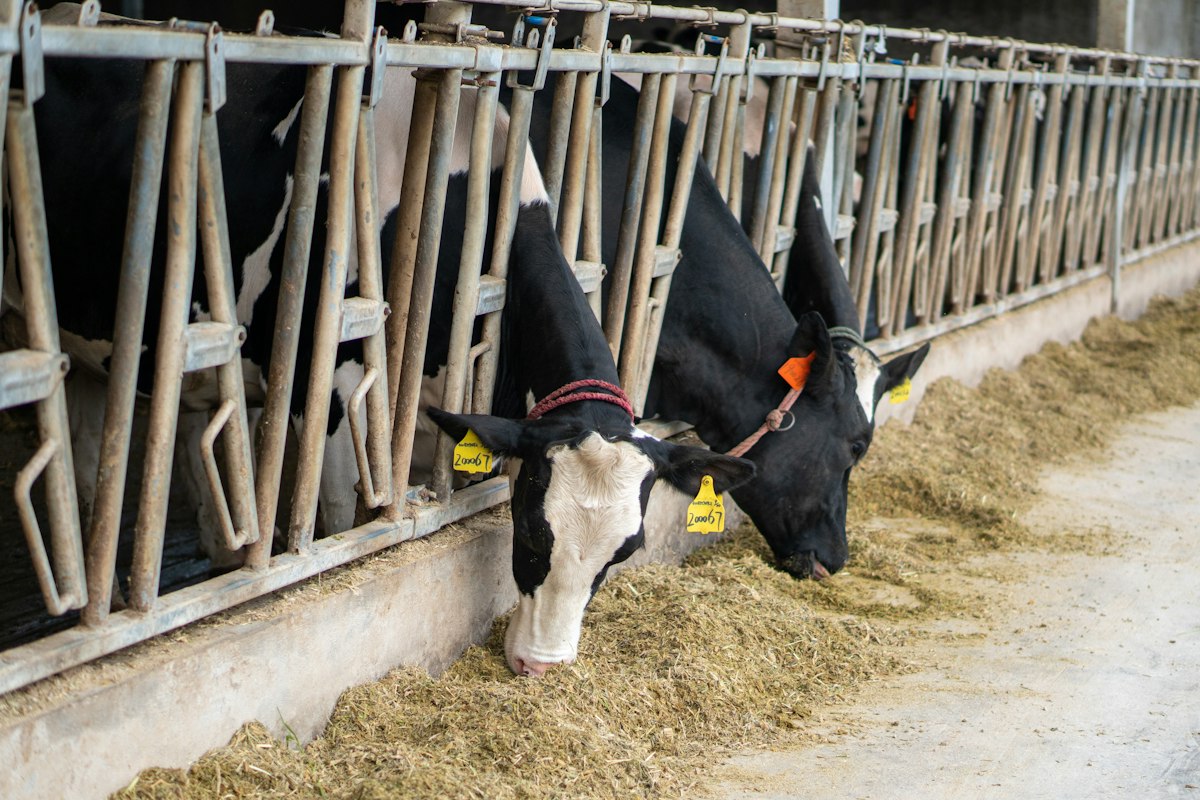
India is the world's largest milk producer and among the most mature markets for bulk milk cooling equipment. Indian manufacturers have been producing bulk milk coolers for village cooperative societies since the 1970s, accumulating decades of design evolution and manufacturing experience across a product range that now covers 100 litres to 15,000 litres. For East African dairy cooperatives and development organisations seeking to procure quality bulk milk cooling equipment at competitive cost, India represents a compelling supply source — but successful procurement requires understanding several practical considerations that differ from domestic Indian procurement contexts.
Climate Specification: The Most Critical Factor
East African dairy producing regions — particularly Kenya's Central and Rift Valley highlands, Ethiopia's Oromia and Amhara regions, and Tanzania's Northern highlands — experience ambient temperatures ranging from 15°C at night to 35 to 40°C during peak afternoon hours in dry seasons. This ambient range is broadly comparable to conditions in India's dairy heartland states, making Indian equipment specifications appropriate for East African deployment.1
However, the specific ambient temperature design point should be explicitly confirmed with the manufacturer. Equipment should be specified to achieve 35°C-to-4°C cooling within three hours at 40°C ambient minimum. Condenser and compressor sizing documentation should confirm performance at this design point. Do not accept specifications that reference only average annual ambient temperature — worst-case summer conditions are the relevant design criterion.
"Specify for worst-case ambient conditions, not average conditions. A cooler that works in the cool season but struggles in the dry season peaks is not adequate for commercial dairy operation."
Kenya Dairy Board Technical Guidelines, 2023Electrical Compatibility
Kenya, Tanzania and Ethiopia operate on 240V/50Hz single-phase and 415V/50Hz three-phase electrical supply — compatible with Indian electrical equipment specifications. This is an important advantage over European or North American equipment, which often requires voltage conversion. Confirm electrical specifications explicitly at the time of order, including motor voltage rating, starter type and control panel input specifications.
Compressor soft-start capability is strongly recommended for East African installations where grid supply is variable. Standard direct-online starters draw six to eight times running current on motor start — a surge that can trip circuit breakers on weak rural distribution circuits and causes compressor wear over time. A soft-start or variable frequency drive starter reduces starting current and extends compressor life significantly in grid-unreliable environments.
Pre-Shipment Inspection
Pre-shipment inspection by a third-party inspection agency — SGS, Bureau Veritas or Intertek — is strongly recommended for bulk milk cooler orders from East Africa. The Kenya Dairy Board specifically recommends SGS pre-shipment inspection for imported dairy equipment as a condition of conformity assessment for certain procurement categories.2
A standard pre-shipment inspection scope for a bulk milk cooler shipment should include: dimensional verification against purchase order specifications, stainless steel grade verification (mill test certificate review), compressor model and serial number confirmation, insulation thickness measurement, electrical specification verification, cooling performance test at factory (35°C to 4°C timing documentation), and packaging adequacy assessment for sea freight transit.
Spare Parts and After-Sales Support
The long-term total cost of ownership of a bulk milk cooler is substantially determined by spare parts availability and after-sales support quality. Before placing an order with any Indian manufacturer, East African buyers should confirm: compressor model availability in the destination country (Emerson Copeland Scroll compressors have East African distribution through multiple channels), availability of key wear parts (agitator seal, inlet/outlet valves, pressure switches, expansion valve), and the manufacturer's protocol for after-sales technical support including video call commissioning assistance and remote troubleshooting.3
Import Documentation
Standard export documentation required for Indian dairy equipment imports into Kenya, Ethiopia and Tanzania includes: commercial invoice, packing list, bill of lading, certificate of origin (Form A or COO for GSP preference where applicable), manufacturer's conformity certificate and, where applicable, SGS pre-shipment inspection certificate. HS code classification for bulk milk coolers is typically 8418.69 (refrigerating or freezing equipment) — confirm with your clearing agent at destination port.