Why Milk Is Being Lost Before It Reaches the Market in East Africa — And What Dairy Cooperatives Are Doing About It
Kenya produces 5.76 billion litres of milk annually. Only 15% enters formal processing. The cause is not poor farming practice. It is the near-total absence of reliable bulk milk cooling at the point of collection.
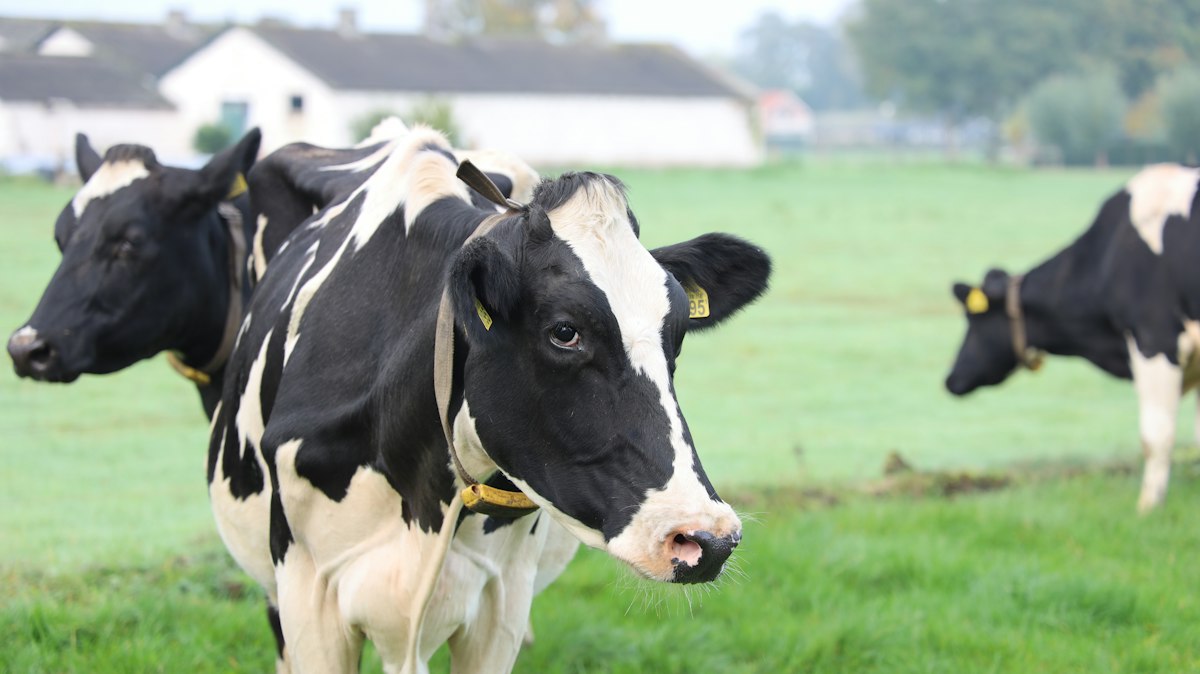
Every morning across Kenya, Ethiopia, Tanzania and Uganda, millions of smallholder dairy farmers wake before sunrise to milk their animals. By the time that milk travels from farm to collection centre to processing plant, a significant portion of it has already been lost — spoiled, rejected or rendered unfit for sale. The root cause, in the overwhelming majority of cases, is not poor farming practice. It is the absence of reliable cooling infrastructure at the point of collection.
The Scale of the Problem
East Africa's dairy sector is among the world's fastest-growing. Kenya's annual milk production reached an estimated 5.76 billion litres in 2023, with cow milk accounting for approximately 79% of total output.1 The country produces 10% of Africa's and 35% of the East African Community's total milk supply.2
Yet despite this impressive production scale, the informal channel dominates the supply chain. In 2023, only 15% of total milk produced in Kenya entered the formal processing sector.3 The remaining 85% moves through informal traders, small collection agents and loosely organised cooperatives, with minimal refrigeration and significant quality losses along the way.
The picture across the wider East African region is similarly stark. Post-harvest milk losses in sub-Saharan Africa have been estimated at 10 to 48% of total production depending on the country and season — with the highest losses occurring during warm months when ambient temperatures routinely exceed 30°C and refrigeration infrastructure is absent or unreliable.5
The Science of Why Warm Milk Fails
Fresh milk drawn from a healthy animal arrives at approximately 37°C. Research published in the Journal of Dairy Science confirms that milk stored at 3°C is estimated to reach the spoilage threshold of 1,000,000 cfu/mL at 68 days, compared with just 10 days for milk stored at 10°C.4 In rural East Africa, where ambient temperatures routinely reach 30 to 38°C and refrigeration is absent, the implications are stark.
Milk that is not chilled within two hours of collection enters an irreversible quality decline. Psychrotrophic bacteria, which are capable of producing heat-stable enzymes, begin multiplying rapidly at temperatures above 7°C. These enzymes — primarily proteases and lipases — are not destroyed by pasteurisation. Milk that has been poorly chilled before processing will have shorter shelf life, lower yield in cheese and paneer making, and off-flavours that consumers detect even after heat treatment.
"The window between milking and spoilage is short. At 30°C ambient, bacteria double every 20 minutes. Chilling is not a luxury — it is the only intervention that stops this clock."
ADFPL Editorial TeamWhy Cooling Infrastructure Has Lagged
The gap between milk production potential and formal market capture in East Africa is primarily an infrastructure problem, not an agronomic one. Smallholder farmers across the region have steadily improved herd genetics, feeding and veterinary care over the past two decades. Their animals are producing more milk. But the physical infrastructure required to preserve that milk quality — reliable cooling equipment at the collection centre level — has not kept pace with production growth.
Several factors have contributed to this infrastructure gap. The high upfront capital cost of bulk milk coolers has historically placed them beyond reach for small to medium cooperatives without external financing. Unreliable grid electricity in rural areas has made operating refrigeration equipment unpredictable. And a shortage of qualified refrigeration technicians for after-sales maintenance has meant that equipment, once installed, sometimes falls out of service and is not repaired.
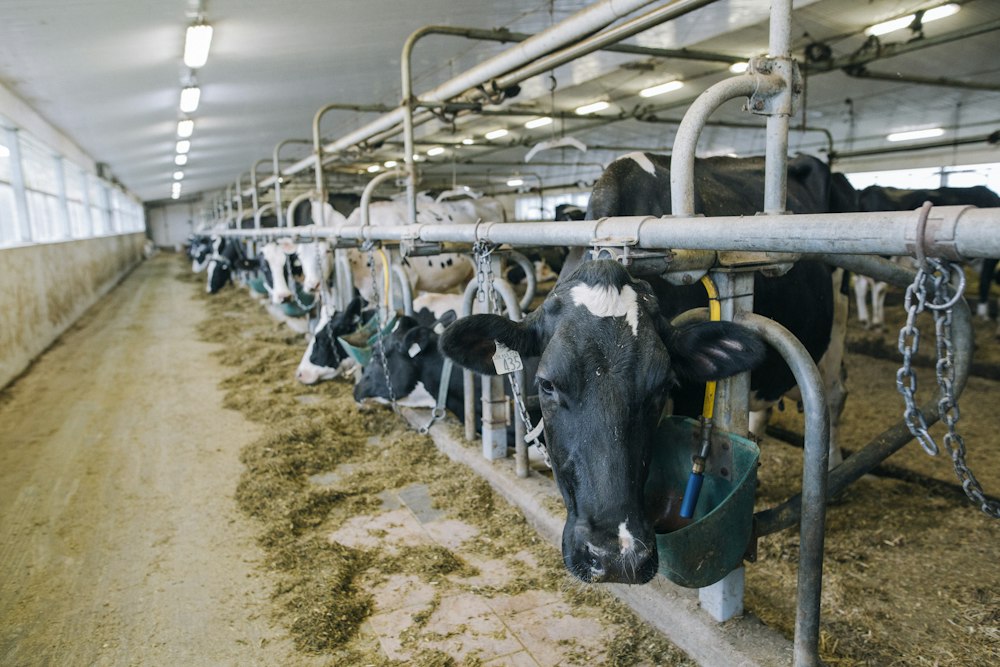
What Progressive Cooperatives Are Getting Right
The most successful dairy cooperatives in East Africa share a common characteristic: they have prioritised bulk milk cooling infrastructure at the collection centre level as their primary capital investment. Cooperatives operating chilled collection systems consistently report higher milk quality, stronger processor relationships, better farmgate prices and significantly lower rejection rates.
In Kenya, the dairy cooperative movement has a long history stretching back to the 1960s. The most successful cooperatives — particularly those operating in the Central, Rift Valley and Western regions — have progressively invested in bulk milk coolers at village collection centres, enabling milk to be chilled from 35°C to 4°C within three hours of collection and held safely until daily collection by tanker.
The Wider Consequences of Poor Chilling
The economic consequences of inadequate milk cooling extend well beyond the immediate loss of spoiled milk. When farmers repeatedly experience milk rejection at collection centres due to quality failures caused by poor chilling, they lose trust in formal market channels and return to selling through informal traders — even at lower prices — simply because those traders offer reliable daily collection without quality rejection. This migration back to informality undermines the entire cooperative model.
The consequences for food security are also significant. Milk that could nourish families and generate income instead spoils before it can be sold. East Africa's dairy sector has the production capacity to dramatically improve rural nutrition and smallholder incomes — but realising that potential requires cold chain investment, starting at the village collection centre.
Equipment Selection Notes for East African Conditions
Bulk milk coolers selected for East African conditions require specific technical considerations. Ambient temperatures that regularly reach 35 to 42°C place significantly higher demands on compressor sizing and condenser design than the temperate climate conditions for which many European or North American specifications are written. Equipment specified for Indian conditions — where ambient temperatures in many dairy regions similarly reach 38 to 45°C — is well-suited to East African deployment.
For village-level dairy cooperative societies handling 500 to 2,500 litres per collection, the vertical open-type bulk milk cooler with direct expansion refrigeration is the most practical and cost-effective solution. For larger district-level collection points handling 5,000 litres and above, the horizontal closed-type BMC with automatic CIP system and Emerson Scroll compressors provides the performance and hygiene standards required for formal processor supply chains.