Bulk Milk Cooler 1000L vs 2000L: Which Capacity Is Right for Your Dairy Cooperative?
Choosing the wrong capacity bulk milk cooler is one of the most expensive mistakes a dairy cooperative can make. Too small and you're turning away milk. Too large and you're paying to cool air. Here's how to get it right.
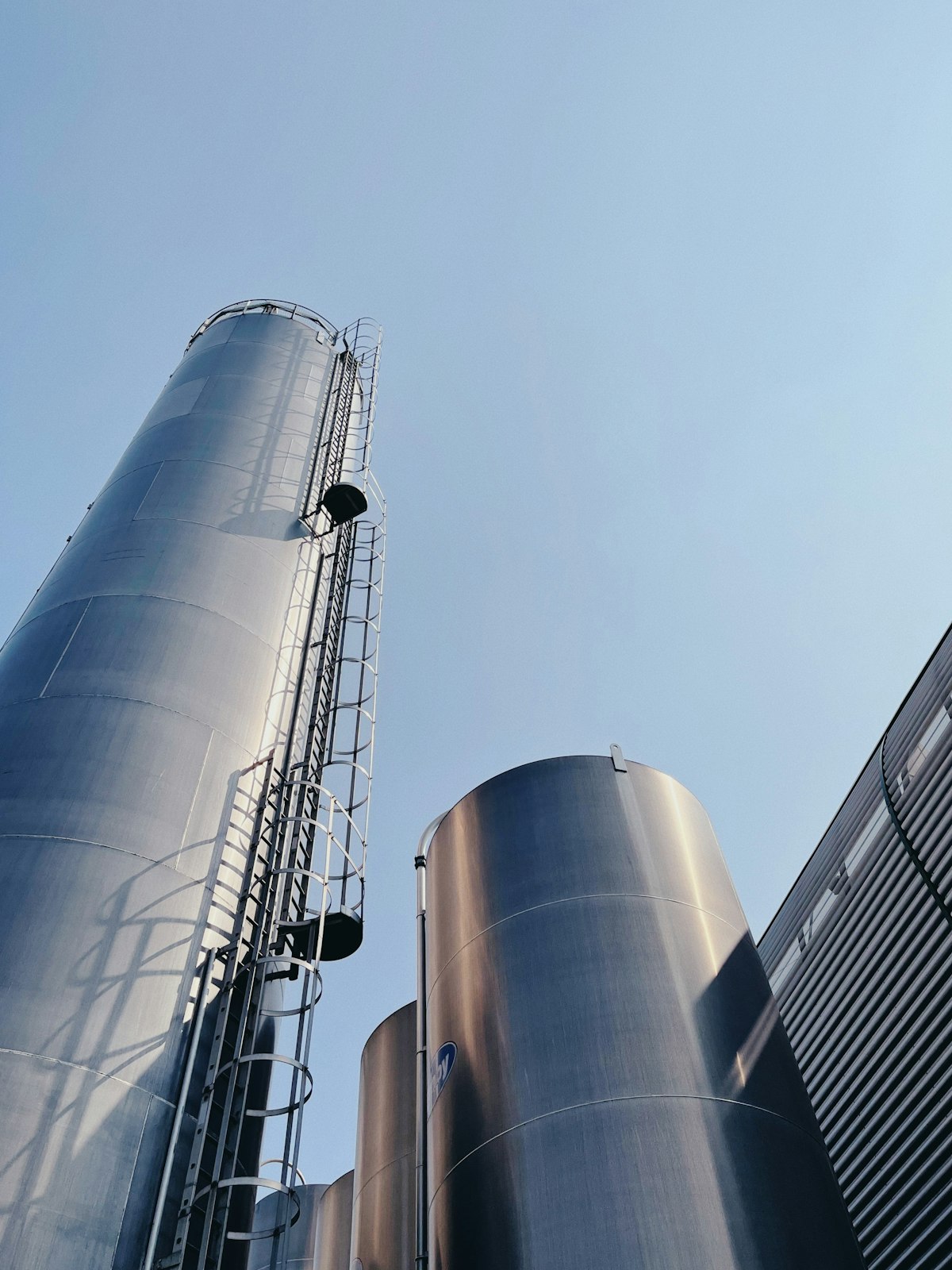
The question of whether to purchase a bulk milk cooler 1000L or a 2000L model is one that dairy cooperative managers across India, East Africa and the Middle East face every year. It's a decision that has significant long-term financial consequences, and one that is frequently made on the basis of incomplete information. This guide provides a structured framework for making the right choice based on your collection volumes, growth trajectory and operating conditions.
Start With Your Actual Collection Volumes
The first step in any bulk milk cooler capacity decision is an honest assessment of your current and projected milk collection volumes. Many cooperatives make the mistake of sizing their equipment to their peak theoretical capacity rather than their realistic average daily throughput. This leads to over-investment in equipment that sits underutilised for most of the year.
A well-designed bulk milk cooler should typically be sized to handle between 85% and 95% of your daily collection at peak season. This means that if your peak daily collection is 1,800 litres, a 2000L bulk milk cooler is appropriate — it provides adequate headroom without excessive over-capacity.
For cooperatives collecting between 600 and 1,200 litres per day in a single collection session, the 1000L closed type bulk milk cooler is the optimal solution. It will cool this volume from approximately 35°C to 4°C within the required three-hour window, holds the chilled milk safely until collection by tanker, and does so with significantly lower power consumption than a 2000L unit running at half capacity.
Factor in Three-Year Growth
One of the most common regrets cooperative managers express is having purchased a BMC that was adequate at installation but became undersized within two to three years as farmer membership and herd size grew. Any capacity decision should therefore account for a realistic three-year production growth forecast.
If your cooperative is in a growth phase — recruiting new farmer members, improving breed genetics, expanding your catchment area — it is often worth sizing up. The marginal cost difference between a 1000L and 2000L bulk milk cooler manufacturer in India is significantly less than the cost of purchasing a second unit in three years, plus the disruption and re-installation costs that entails.
Power Supply Considerations
Power supply is a critical variable that is often overlooked in capacity decisions, particularly for rural dairy cooperatives. The milk chiller 1000 ltr typically operates on single-phase 220V supply, which is widely available even in areas with modest grid infrastructure. The 2000L closed type bulk milk cooler requires three-phase 415V supply, which may not be available at all collection point locations without infrastructure investment.
In regions where three-phase supply is unreliable or absent — which includes many rural areas across India, East Africa and parts of Bangladesh — the 1000L open type bulk milk cooler may be the only practical option regardless of your collection volume, even if this means operating two units in parallel at larger collection points.
Total Cost of Ownership
The purchase price of a bulk milk cooler is only one component of total cost of ownership. Operating costs — primarily electricity consumption — vary significantly between a 1000L and 2000L unit. A 1000L BMC running at capacity consumes approximately 40–50% less electricity per litre of milk cooled than a 2000L unit running at 50% capacity. If your collection volumes are consistently below 1,500 litres per day, the smaller unit is almost always more economical on a per-litre basis.
Annual maintenance costs for both units are similar in absolute terms, though the 2000L unit has a higher component cost for major maintenance items such as compressor service. Factor in the full five-year cost picture, including power, maintenance and anticipated spare parts, before making your final decision.
Summary Recommendation
Choose the 1000L BMC if: your daily collection is 600–1,100 litres; your power supply is single-phase only; your site is a remote village collection centre; or capital cost is a primary constraint. Choose the 2000L BMC if: your daily collection exceeds 1,200 litres at peak; you have reliable three-phase supply; you have a clear growth trajectory to fill the unit within 18 months; or you are consolidating collections from multiple feeder centres into a single chilling point.
As a leading bulk milk cooler manufacturer in India with over 10,000 installations, Associated Dairyfab can advise on the precise specification for your conditions. Contact our technical team for a capacity assessment before purchasing.