Bulk Milk Coolers in Bangladesh: Cooling Infrastructure for a Growing Dairy Sector
Bangladesh's dairy sector has tripled in size over two decades, but cold chain infrastructure has not kept pace. Bulk milk cooling remains the critical gap between production potential and formal market participation.
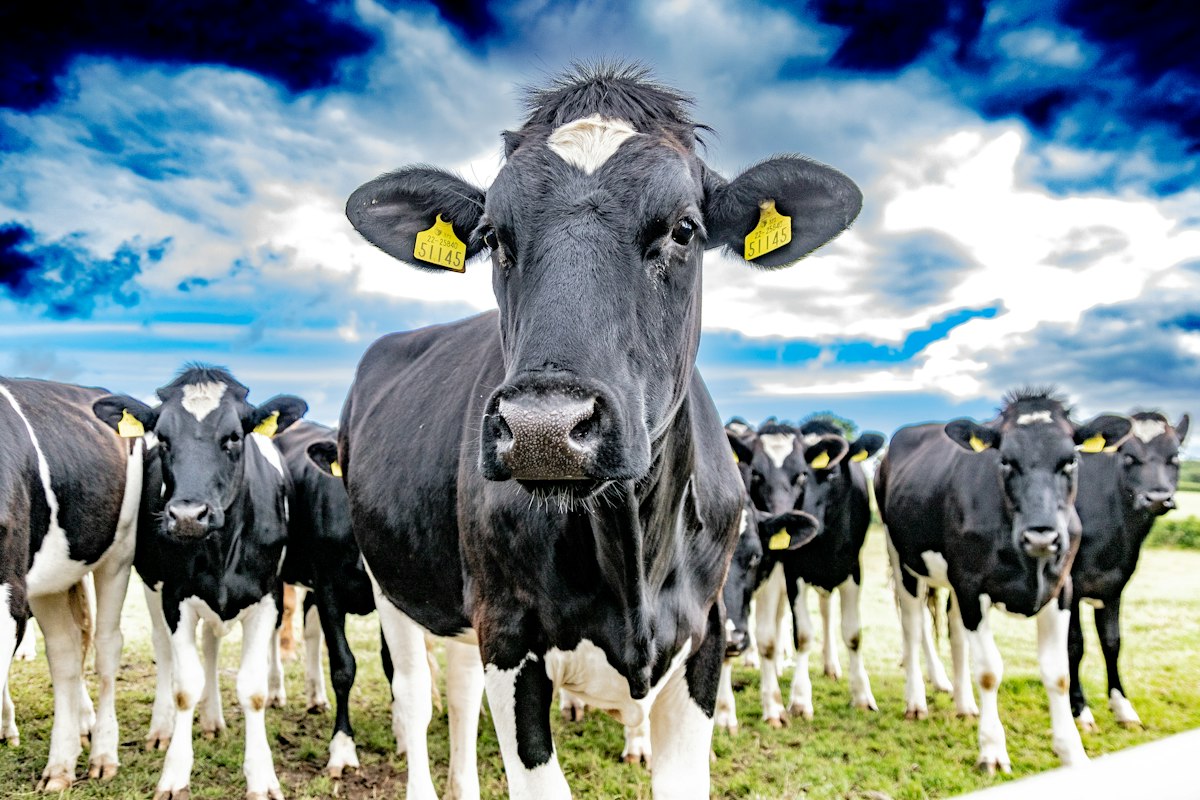
Bangladesh's Dairy Growth Story
Bangladesh's dairy sector has experienced remarkable growth over the past two decades, driven by rising urban incomes, increasing consumer demand for processed dairy products, and targeted government investment in the sector under successive agricultural development plans. Raw milk production has grown from approximately 2.3 million tonnes in 2005 to an estimated 13.5 million tonnes in 2023, representing a near-six-fold increase over eighteen years.
The sector is dominated by smallholder farmers — over 90% of Bangladesh's dairy farmers own fewer than five animals — who collectively generate the majority of the country's milk output. The Milk Vita cooperative and several private dairy processors have developed collection networks spanning rural areas, but the reach of formal chilled collection remains limited outside the major dairy districts of Sirajganj, Pabna, Bogura and Rajshahi.
The Bulk Milk Cooling Gap
Despite impressive production growth, bulk milk cooling infrastructure in Bangladesh remains severely underdeveloped relative to production volume. The majority of raw milk collected from smallholder farmers moves through informal channels at ambient temperature, resulting in significant quality losses and limiting formal processor access to the rural milk supply.
Bangladesh's climate — with average temperatures of 25–35°C and high humidity year-round, rising to 38–42°C during the pre-monsoon hot season — creates a particularly challenging environment for unchilled milk. Fresh milk at 35°C in 90% relative humidity degrades to unacceptable bacterial counts within three to four hours without cooling. The effective window for milk collection and formal processing is dramatically compressed compared to temperate climates.
Equipment Specification for Bangladesh
Open type bulk milk coolers in the 200L to 1,000L range are the most appropriate configuration for rural cooperative collection centres across Bangladesh, where collection volumes per session are modest and single-phase power supply is the norm. For district-level chilling hubs consolidating milk from multiple collection points, the closed type BMC in the 2,000L to 5,000L range with three-phase power supply is the recommended configuration.
Power supply reliability is a significant consideration for Bangladesh deployments. Grid power in rural Bangladesh experiences daily outages and significant voltage variation. Robust motor protection, voltage stabilisation and — where collection point revenue justifies the investment — generator backup should be incorporated into the system design. ADFPL's controller systems include voltage fluctuation protection rated for rural Indian conditions, which is directly applicable to the Bangladesh operating environment.
Partnering with Indian Suppliers
India and Bangladesh share a long and established bilateral trade relationship, with India being one of Bangladesh's largest trading partners. The proximity of West Bengal and Northeast India to Bangladesh's dairy regions significantly reduces shipping logistics and cost compared to sourcing from Europe, North America or East Asia.
Indian bulk milk cooler exporters are well-positioned to serve the Bangladesh market with equipment that is engineered for tropical operating conditions comparable to Bangladesh's climate, priced competitively against alternative sources, and supported by a supply chain with significantly shorter lead times than more distant manufacturers. ADFPL welcomes dealer partnership applications from Bangladesh-based agricultural equipment distributors.