Dairy Equipment in Kenya: What Cooperatives Need to Know About Bulk Milk Coolers
Kenya's dairy sector is the largest in sub-Saharan Africa, yet the majority of its milk never reaches formal processing. The primary bottleneck is bulk milk cooling infrastructure at the cooperative level.
Kenya's Dairy Sector: Scale and Opportunity
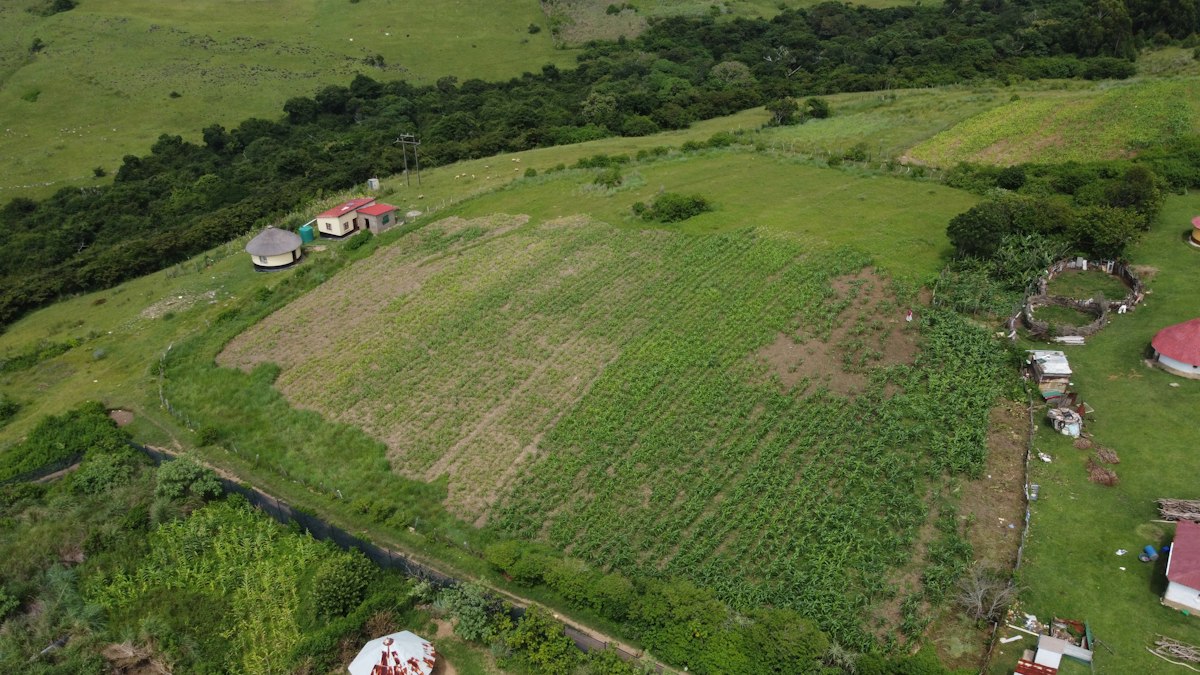
Kenya is the largest milk producer in sub-Saharan Africa and among the top ten globally by volume, producing an estimated 5.76 billion litres annually. The sector supports approximately 1.8 million smallholder farming households and is central to rural incomes across the Central, Rift Valley, Western and Nyanza regions. Yet despite this production scale, the formal dairy processing sector captures only 15–20% of total milk output. The remainder flows through informal channels with minimal quality control, significant post-harvest losses and lower farmgate prices.
The Kenya Dairy Board has identified bulk milk cooling infrastructure at the cooperative collection centre level as the single highest-impact investment for improving formal market participation. Each bulk milk cooler installed at a village collection point enables the surrounding smallholder farmers to supply into the chilled formal supply chain, typically increasing their farmgate price by 15–25% compared to informal channels.
Technical Requirements for Kenyan Conditions
Bulk milk coolers deployed in Kenya must be specified for the country's specific operating conditions, which differ significantly from the temperate conditions assumed in many European BMC standards. Average ambient temperatures in Kenya's primary dairy regions — including the Rift Valley highlands at elevations of 1,500–2,500 metres — range from 15°C to 32°C during the day, with lower overnight temperatures. In lower-altitude collection areas and during dry seasons, daytime temperatures regularly reach 35–38°C.
Equipment must be specified for high-ambient performance, with compressors rated at 43°C ambient minimum. Grid power in rural Kenya is frequently unreliable, with voltage fluctuations and daily outages common. Robust motor protection and voltage stabilisation are essential features for Kenyan deployments. Open type bulk milk coolers in the 500L to 2,500L range are the most commonly deployed configuration at village collection centre level, while closed type units of 5,000L to 15,000L are used at district-level chilling hubs.
AISI 304 stainless steel construction is mandatory for food safety compliance under Kenya Dairy Board regulations. Equipment must be cleanable to a hygienic standard consistent with formal processor requirements — the automated CIP system is strongly recommended for larger installations where manual cleaning standards are difficult to maintain consistently.
Procurement Pathways for Kenyan Cooperatives
Kenyan dairy cooperatives typically access bulk milk cooling equipment through three pathways: direct purchase funded by cooperative reserves or member contributions; grant or loan funding from development organisations such as USAID, the African Development Bank or national programmes like the Dairy Sector Development Programme; and dealer or distributor supply through authorised local partners of international BMC manufacturers.
For cooperatives pursuing donor-funded procurement, it is important to understand that donor agencies typically require equipment to meet specific quality standards — including ISO 5708 performance compliance, SGS pre-shipment inspection and documentation of the manufacturer's ISO 9001:2015 certification. Dairy equipment Africa suppliers who cannot meet these documentation requirements will be ineligible for donor-funded projects regardless of price.
Associated Dairyfab supplies bulk milk coolers to Kenya both directly for large project orders and through authorised regional dealers. We can provide the full documentation package required for development organisation procurement, including SGS inspection, ISO certificates and comprehensive installation manuals.
After-Sales Maintenance: The Critical Gap
The most significant challenge for bulk milk cooling in Kenya is not equipment procurement — it is maintenance. Many bulk milk coolers installed across Kenya over the past two decades are currently non-operational, not because the equipment failed irreparably, but because qualified refrigeration technicians are not available locally and spare parts cannot be sourced in a reasonable timeframe.
When selecting dairy equipment Africa suppliers, Kenyan cooperatives should prioritise manufacturers who use internationally available compressor brands (Emerson, Copeland, Danfoss) with regional spare parts availability; provide comprehensive technical training as part of installation; offer remote technical support; and have either a local dealer network or can ship spare parts within five business days of an order.
Building local technical capacity is equally important. ADFPL's installation process includes hands-on training for cooperative operators and local technicians, covering routine maintenance, fault diagnosis and basic repairs that can be performed without specialist equipment.