Dairy Cooperative Cold Chain: From Farm to Processor — How Bulk Milk Cooling Fits In
The dairy cold chain is a sequence of temperature-controlled steps from farm to consumer. Understanding where bulk milk cooling fits — and what happens when it breaks down — helps cooperative managers invest in the right place.
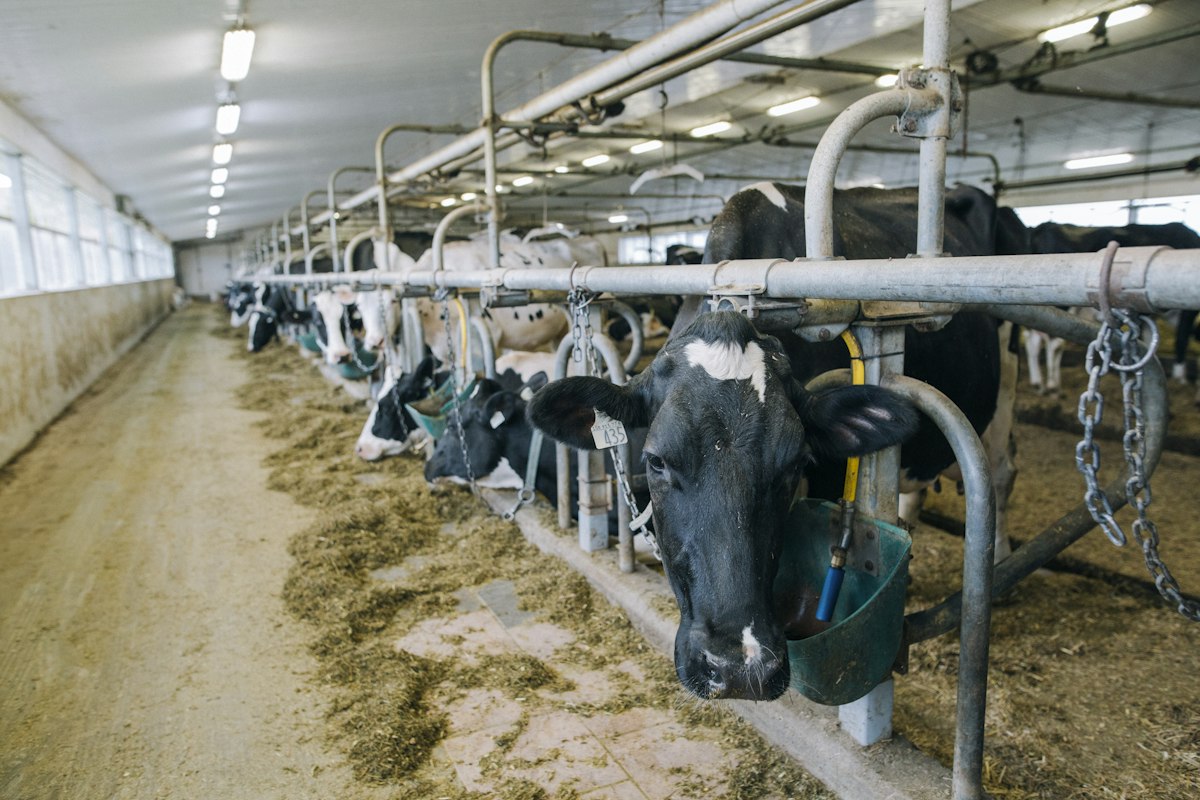
The Dairy Cold Chain: A System View
The dairy cold chain is the interconnected system of equipment, logistics and practices that maintains milk at safe temperatures from the moment of milking through to consumer purchase. The chain comprises several distinct stages, each with specific temperature requirements, equipment needs and failure modes. Understanding the full chain helps cooperative managers and dairy planners understand where investment in bulk milk cooling infrastructure creates the greatest return.
The chain begins at the farm level, where fresh milk emerges from the animal at approximately 37°C and must be cooled to below 10°C within two hours (or below 4°C within three hours for formal supply chains). From the farm or village collection centre, milk moves to a district chilling hub if not already chilled to 4°C. From the district hub, insulated tanker trucks transport chilled milk to the processing plant, where it is received into intake tanks, tested for quality and processed into final products. At each stage, a temperature failure has consequences that cascade forward through the chain.
The BMC's Role in the Chain
The bulk milk cooling system sits at the first — and most critical — point in the cold chain. It is first because it is closest to the production source, where milk temperature is highest and bacterial growth rate is fastest. It is most critical because failures at this stage cannot be recovered downstream: milk that has been allowed to warm and accumulate high bacterial counts before chilling will have elevated enzyme activity and shortened shelf life even after it is subsequently chilled and processed.
A properly functioning BMC at the village collection centre is therefore the foundation on which the entire downstream cold chain is built. All the investment in insulated tankers, refrigerated trucks, chilled processing plant intake, and sophisticated retail distribution that follows is contingent on receiving raw milk that has been correctly chilled at the point of collection.
What Happens When the BMC Fails
The consequences of a BMC failure depend on how quickly the failure is detected and how long milk is held at elevated temperature. A short-duration failure (less than two hours) in a well-insulated tank will typically result in milk that is still within quality specification and can be collected and processed normally. A sustained failure of 6–12 hours at warm ambient temperatures will result in milk with severely elevated bacterial counts — milk that responsible processors will reject, resulting in total loss of the entire tank contents.
Beyond the immediate financial loss, repeated BMC failures damage the cooperative's relationship with formal processors. Processors who experience repeated quality rejections from a cooperative will reduce their dependence on that supply source, find alternatives and in some cases terminate the supply relationship entirely — a consequence far more damaging than any single batch rejection.
Investment Priority: Where the BMC Fits
For dairy cooperatives considering cold chain infrastructure investment, the question of which stage to invest in first is answered clearly by the economics: the BMC at the village collection centre. The reason is threefold. First, this is where the greatest quality losses currently occur for cooperatives without chilled collection — every day of operation without a BMC represents milk quality degradation that depresses processor price or results in rejection. Second, the BMC is the prerequisite for formal supply chain participation — no reputable processor will establish a supply relationship with a cooperative that cannot demonstrate chilled collection. Third, the BMC is the infrastructure component most directly connected to farmer income — BMC ownership enables farmgate price premiums that are immediately visible to and valued by cooperative members.
Associated Dairyfab has been part of the dairy cold chain across 42+ countries for over two decades, supplying the bulk milk cooling systems that form the foundation of thousands of cooperative supply chains. Contact our team to discuss how a BMC investment fits into your cooperative's cold chain development plan.