Climate Change and Milk Quality: How Rising Ambient Temperatures Are Making Bulk Milk Cooling More Critical Than Ever
One extreme heat day can reduce milk production by 10%. Climate projections suggest dairy cold chain losses will increase by 30% by 2050. The case for bulk milk cooling investment is strengthening as ambient temperatures rise.
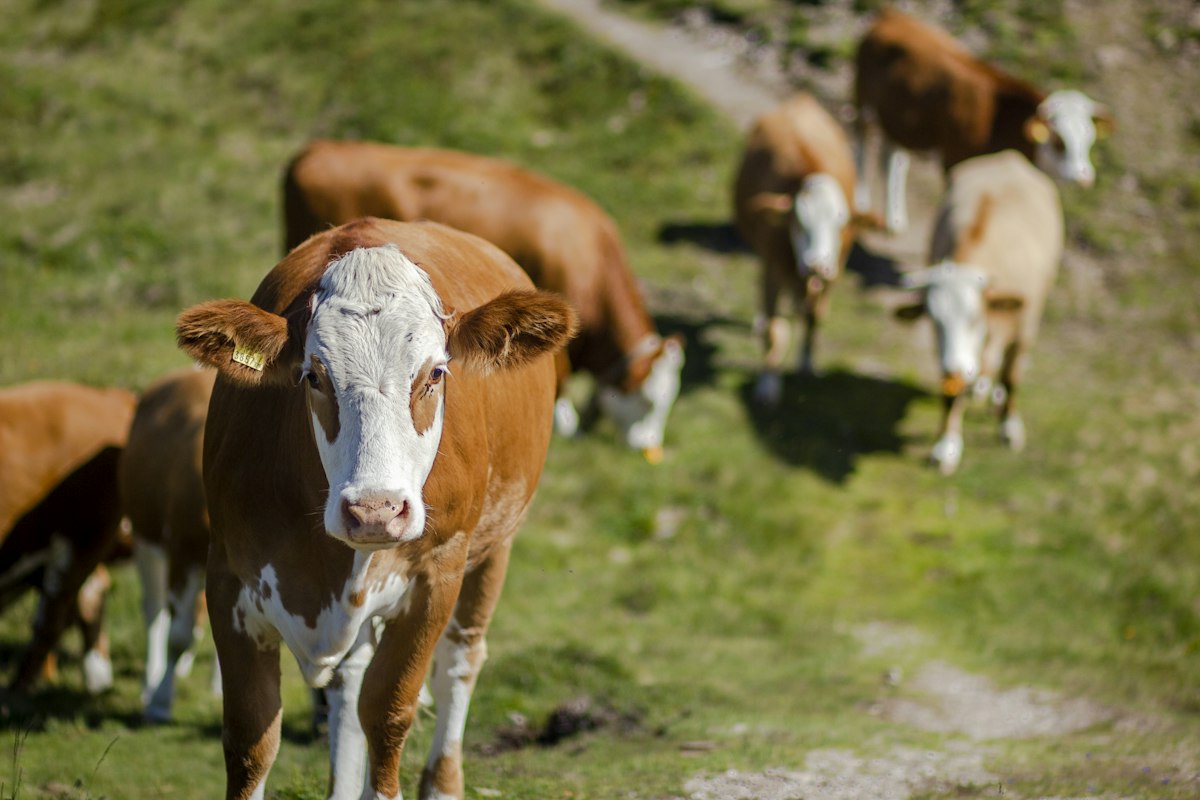
The relationship between ambient temperature and dairy cold chain performance is straightforward physics: higher ambient temperatures increase the thermal load on cooling equipment, reduce the buffer provided by insulation during power outages, accelerate bacterial growth in unchilled milk and create greater heat stress in dairy animals. As global average temperatures rise under climate change, every one of these factors intensifies — and the economic case for robust bulk milk cooling infrastructure strengthens correspondingly.
Climate Impact on Milk Production
Research published in Science Advances documents that a single day of temperatures above 32°C can reduce milk production per cow by 10%, and that the combination of high temperature and high humidity — measured as the temperature-humidity index (THI) — compounds this effect significantly.1 For dairy producers in the tropical and subtropical regions where the majority of the world's smallholder dairy population is concentrated, these production impacts are not hypothetical projections. They are already being experienced on a seasonal basis and are expected to intensify as average temperatures rise.
Research published in Food Policy projects that under a 2°C average warming scenario, post-harvest dairy losses attributable to inadequate cold chain performance will increase by approximately 30% relative to baseline in South Asia and Sub-Saharan Africa by 2050.2 A 3°C warming scenario produces an approximately 50% increase in projected losses in these regions — driven primarily by more frequent extreme heat events extending the duration of damaging temperature exposure for unchilled milk.
"Climate change is not a future risk for the dairy cold chain. In South Asia and East Africa, it is a present challenge that is intensifying each season. The cooling infrastructure response must keep pace."
ADFPL Editorial TeamHow Heat Amplifies Bacterial Risk
The relationship between ambient temperature and bacterial growth rate in unchilled milk is exponential, not linear. Research from Frontiers in Microbiology confirms that the bacterial doubling time in raw milk decreases from approximately 60 minutes at 15°C to approximately 20 minutes at 30°C and approximately 12 minutes at 37°C.3 As ambient temperatures rise, the window between milking and spoilage threshold narrows correspondingly — creating greater urgency for rapid chilling at the point of collection.
Equipment Specification for a Warmer Climate
Climate projections for dairy-producing regions of India suggest that average summer ambient temperatures in key states including Rajasthan, Gujarat and Maharashtra may increase by 1.5 to 2.5°C by 2050 under moderate warming scenarios. This translates directly into increased design requirements for bulk milk cooling equipment. Compressors and condensers that are currently adequately sized for existing ambient conditions may become undersized as temperatures rise — a factor that should influence equipment specification decisions made today for assets expected to remain in service for 15 to 20 years.
Specifying equipment with a meaningful ambient temperature margin above current conditions — selecting a compressor rated for 50°C ambient when current peak conditions reach 42°C, for example — provides a design buffer that accommodates both worst-case present-day conditions and projected future temperature increases within the equipment's operational lifetime.